The Fressingfield Witch

New Paperback release date 9 Feb 25! In the meantime, get your kindle copy here https://geni.us/FFW2

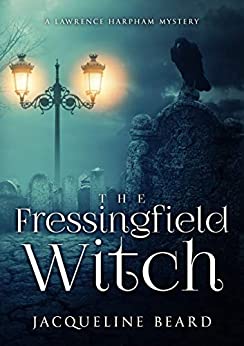
A sinister mystery that threatens to resurrect the dark history of the Suffolk witch trials.

Private Detective Lawrence Harpham grapples with his own demons while unravelling a chilling case with echoes of Suffolk’s dark history.

As unexplained deaths stir whispers of witchcraft, Harpham must confront the sins of the past to prevent more innocent lives from being lost.

Jacqueline Beard’s captivating debut in the Lawrence Harpham Murder Mystery series, “The Fressingfield Witch,” weaves a sinister tale of secrets and betrayal that will keep readers enthralled until the very last page.

A haunting mystery that blurs the lines between reality and superstition.

Death in the Victorian Era

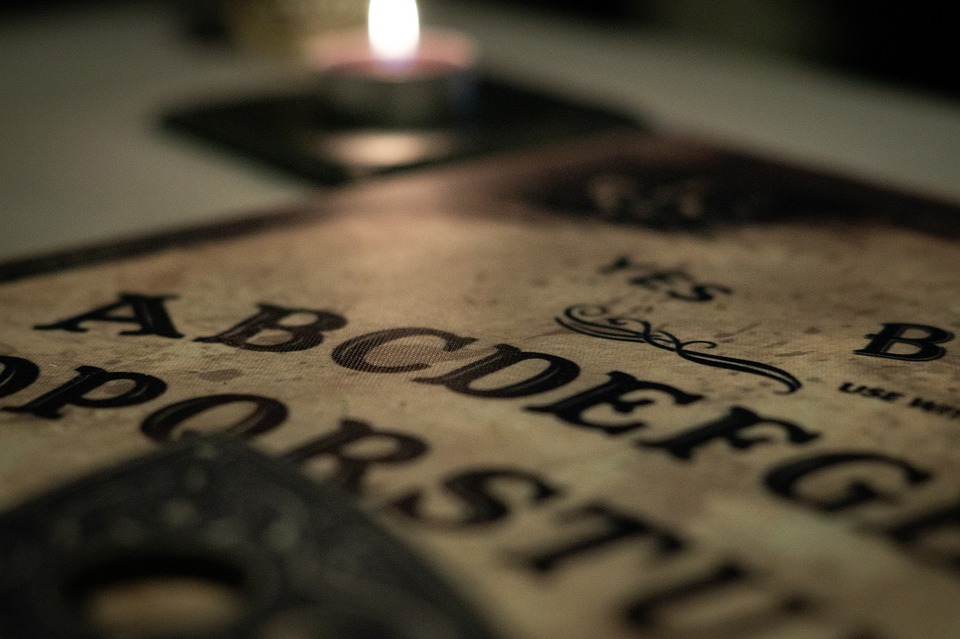
Ouija board

Death in the Victorian Era

The Victorian Era was a golden age for literature, culture, and the arts. However, strange quirks and odd traditions emerged alongside the industrial revolution. From the obsessions around mourning to the beginnings of Victorian spiritualism, the world of death and the beyond was a topic that captivated Victorian culture and traditions.

Dead Men Smiling

For a time, Victorians reserved death portraits for prominent people. But that soon changed. Creating a death portrait in the home during the mourning period became fashionable. The original mourning portraits were expensive and reserved for the upper-middle-class as photography had yet to advance. However, with the invention of the Daguerreotypes, those with limited income could also create an image of their deceased loved ones. 

Daguerreotypes were remarkably detailed photographic images exposed onto a silver-plated sheet of copper. First developed in mercury fumes, the sheets were then stabilised with salt water, resulting in a clear picture. This process required a subject to remain still for a time, though less time than photography had once taken. Usefully, the dead tend not to move, so it was a logical step for mourning families to use this method for their portraits.

Hand-held Daguerreotypes were popular for parents of deceased youngsters who may not have taken their image in life. The photograph often showed the child lying in bed as if asleep. As the era progressed, including the bereaved parents became common. The trend varied for adults, often arranging the deceased subject to appear as lifelike as possible. This might involve the subject sitting upright or standing in the parlour. Many families would join their deceased loved ones in the image, ensuring a focus on remembrance rather than sadness.

Communication With The Other Side

During this period, the Fox sisters gained prominence. Leah, Maggie, and Kate Fox claimed a resident ghost named Mr Splitfoot would respond to their questions by rapping on the floorboards. Their story became popular, leading them to take their performances on tour, conducting seances for a paying audience in Corinthian Hall, Rochester. However, their supposed supernatural abilities were proven a hoax. The sisters had tapped their feet against the table beneath their voluminous dresses.

Spiritualism fascinated the author Arthur Conan Doyle, but Charles Dickens remained unconvinced, satirising his cynicism in The Christmas Carol.

Victorian Era Candle

Returning From the Dead?

As science and the Scientific Method spread throughout Victorian England, so did the central idea of resurrection. In fact, the study of the body, its limits, and how to heal it became a strong focus for many gentlemen, medical practitioners and scientists. Following the first successful blood transfusion in 1818, Blundell used his knowledge and experience to complete the first whole blood transfusion in 1840, helping treat a patient’s haemophilia. Soon after, in 1884, saline was introduced as a blood replacement, taking over from milk, a treatment we still use today. Unfortunately, successful experiments were not typical. Many theories missed the mark or came closer to mad science than medicine, like galvanisation. This process created electrical signals through chemical reactions by shocking something with electricity to get a result. After Luigi Galvani’s shows involving electricity used to stimulate the muscles of dead frogs and other animal carcasses, several theories considered electricity the key to resurrection. Mary Shelley’s Frankenstein also inspired some of these ideas with her creation of Frankenstein. Sadly, Victorian scientists never realised their dream of resurrection.

Despite the strange customs of the Victorians, some of their ideas and methods are still in use today, though vastly changed over the years. The advances in medicine and understanding have been incorporated and improved in the modern day, allowing us to utilise blood transfusions, skin grafts and more. Many ideas from the spiritualism movement appear in today’s writing world, inspiring everything from possession stories to tales of the walking dead. Thankfully, we have phased out the concept of photographing our dead post-mortem, which could have led to a rather esoteric social media trend.

Guest Article by Alexander Fairweather

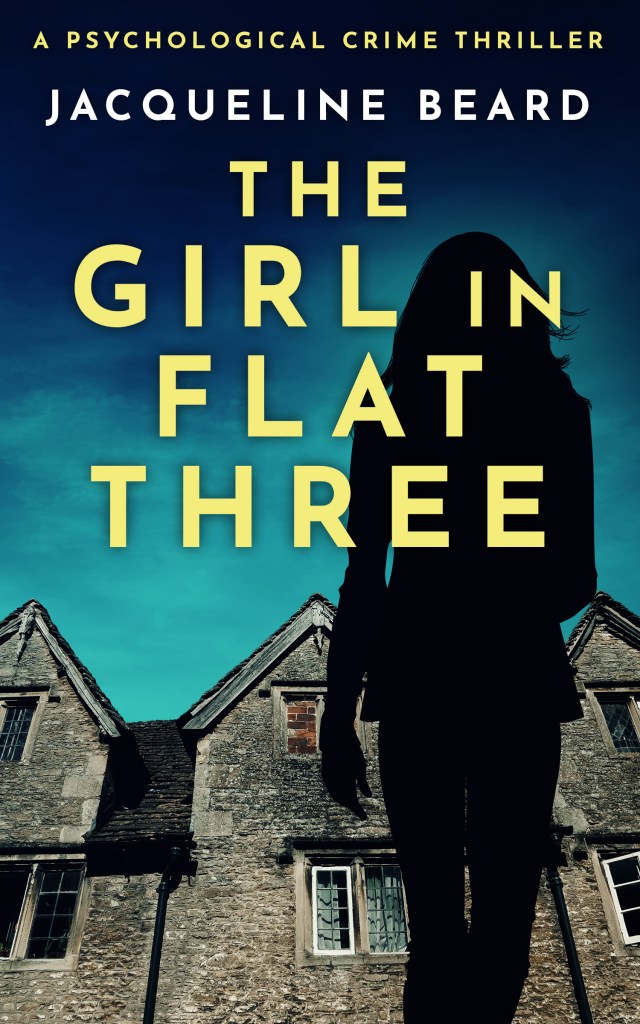
The Girl in Flat Three – a Psychological Crime Thriller set in the Cotswolds

Who can you trust in a house full of secrets?

Sass Denman is tired. Tired of being unemployed, tired of being alone and tired of the sickly smell coming from her floorboards.

But a chance conversation leads her to Sean Tallis, a lizard-loving private eye with a maverick approach to the law. Their routine case soon uncovers a missing girl with connections to an unsolved murder from the past. Has the Skin Thief returned after lying dormant for a decade?

As the evidence mounts, the trail leads to Saskia’s flat in Bosworth House. Petty problems confound her neighbours, each one more sinister than the last. Why is the cellar door padlocked shut, and will the arguments in Flat Four never stop?

Follow the link to on Amazon https://geni.us/TGIF3 – FREE on Kindle Unlimited

Also available as a paperback on my Payhip site https://payhip.com/b/I0PLx

The Fressingfield Witch

Laura Freeman's avatarLaura Freeman, author

The Fressingfield Witch by Jacqueline Beard 2017 mystery

This was listed as a thriller but since the killer was unknown, I consider it a mystery. Private Investigator Lawrence Harpham is hired by the church to investigate strange deaths attributed to witchcraft by several of the residents in Fressingfield in 1890 when science is stressed and not superstition. Plenty of characters are introduced who could be the suspect, and the reader follows Lawrence as he interviews and researches the past for answers.

The research takes him into church records dating back to 1639 and follows the misfortunes of Faith Mills, the first witch of Fressingfield. These passages reveal candidly the challenges faced by a woman. Faith was married to a merchant but when he fell on hard times, he killed himself. Left with four children, she moved in with a relative in Fressingfield. Her young daughter is raped, and the wife…

View original post 179 more words

A Grave Mistake

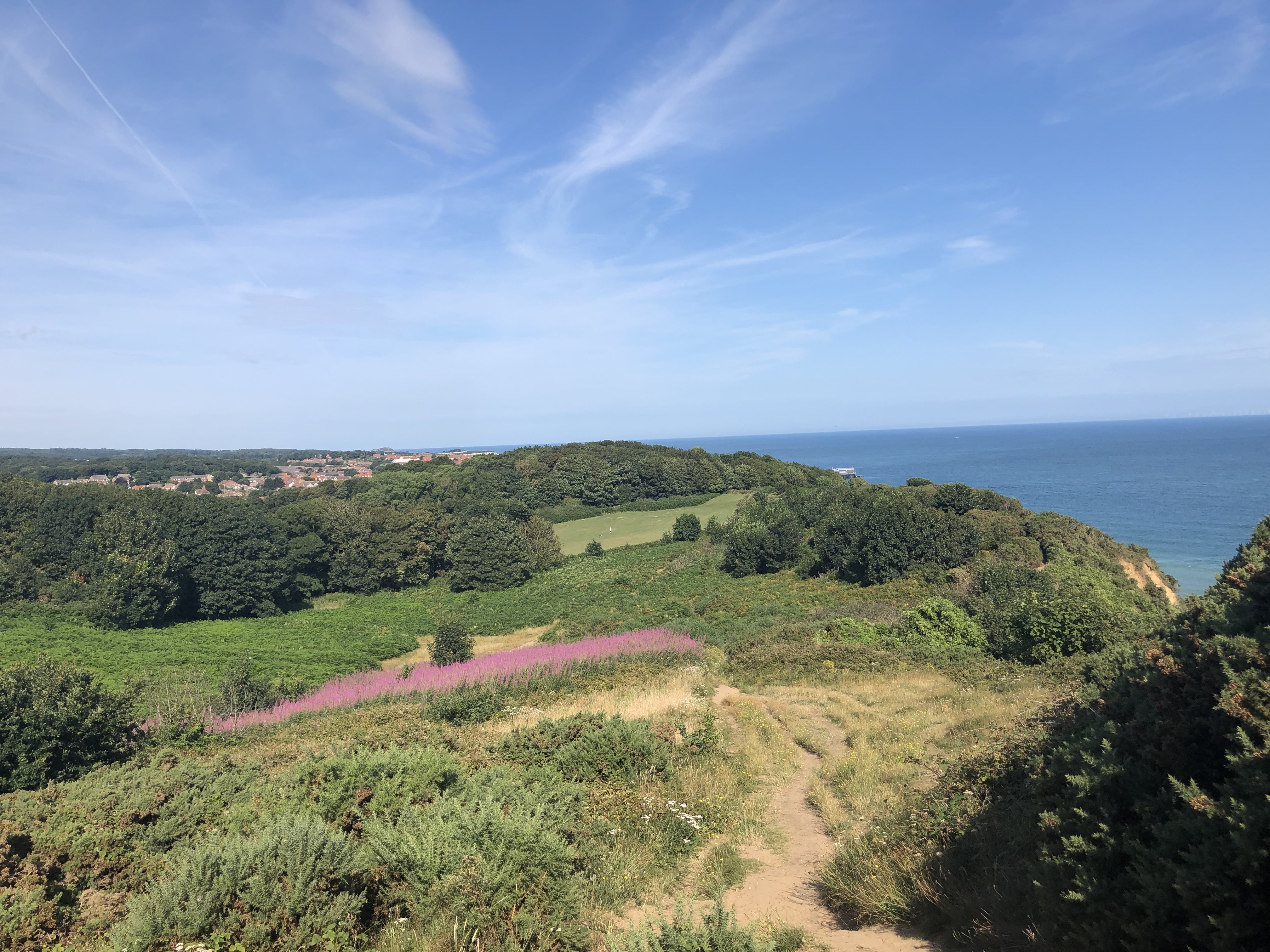
It’s raining today, miserable, and a good time for catching up with administration. I’ve just cleared out my writing files, cringing with embarrassment at my earliest efforts, but discovering other long-forgotten favourites like the flash fiction story below written for the 2018 Noirwich Crime competition. I’m fond of this piece. My lovely and sadly departed mother came from Overstrand, and her grandfather, Frederick Dennis, dug the first grave in the cemetery. As the short story says, by a quirk of fate, he ended up in it. The Cotswolds where I live are delightful, but I miss Norfolk, especially on days like these. Days where a brisk walk across the cliffs clears the cobwebs and soothes the soul. This story is for my mum and my Overstrand relatives & ancestors.

Rumour has it that old man Dennis dug the first grave in Overstrand cemetery. By a quirk of fate, he died soon after, and they laid him to rest there. It made me mindful of my mortality—no pauper’s grave for me. I signed up to the North Norfolk burial club sharpish together with the wife and nippers. We went hungry sometimes but always paid our dues. Better to starve than end up in the workhouse; better to shiver and have a decent final resting place.

But that was then.

Ten years on, and I long to dine on food not dragged from the ocean, warm my feet by a blazing fire, be my own man and make my own choices. No more turbulent seas, blistering chills, beaches dotted with crab pots. And no more Florrie.

My heart alive, but she was beautiful once. Her smile dazzled. I would have laid down my life to protect my Florrie. Now she is a hard-faced lump of a woman. Lazy too. She spends all day mardling with the fishwives and has no time for me.

Bessie Storey does, though. Little doe-eyed Bessie, younger and prettier than Florrie, has made no secret of her regard. Bessie is from a large family. She’ll make a good mother for my children.

‘Hold you hard,’ I hear you say. ‘Is poor Florrie dead?’

Not dead yet, but soon. There is money aplenty in the burial club and still more besides in our life insurance policies. Money scrimped and saved from my toil at sea – money I could have spent on ale, like every other red-blooded man – wasted, like my life.

Look, here comes Florrie now, plodding over the cliffs, her dumpling face set in its usual frown, demeanour as predictable as her Friday evening walk. Always the same routine. She visits her mother in Paul’s Lane before lumbering down to the cliffs, where she waits silently, staring out to sea. But why?

Florrie has seen me. She lifts her hand uncertainly and waves it in my direction. Her face, a mask of misery, shows no pleasure in my presence. What does she make of my intrusion? No matter. One minute or two – soon, she will be close enough. I will sidle towards her, smile and give her a little shove. The moment is perfect. It’s close to dusk, and there is not a soul around.

Florrie reaches me, piggy eyes searching my face. There are bristles on her chin. How did I ever love this woman?

It is time.

I move towards her but suddenly feel a weighty thud on my chest, then fall backwards, arms flailing. The Overstrand cliffs rush past me. I can smell the salty sea and hear the cackle of gulls–but is it? No, the sound is raucous laughter, and it’s coming from Florrie. I cannot see her, but before the world goes black, I sense her looking down at me, smiling as she did when we were young.
Music While You Work

Recently, and after listening to a particularly inspiring Joanna Penn podcast, I’ve taken to writing using Vankyo headphones. I have little choice in a household with two dogs and assorted family members who don’t understand what a shut door and ‘do not disturb’ notice means. It’s like Piccadilly Junction in my office, and now the Cockapoo has learned how to open the door, the lack of privacy is even worse. Cue noise-cancelling headphones.
When I used to write in perfect silence (before teenagers and badly behaved puppies), I didn’t expect to take to writing with sound. I tried nature music, but anything with rain/waterfalls sent me running to the loo and whale noises were a step too far. So I searched for a ‘writers playlist’ and found one on Amazon music, which I’ve taken and adapted to my tastes. And surprisingly, I’m very productive listening to music and now feel guilty for the many years I’ve spent berating my son for doing his homework with earphones in.


So, this week’s writing music is:

  1.  Mozart Serenade in G
  2. The Good Part – AJR
  3. Montanita – Ratatat
  4. Orinoco Flow – Enja
  5. Gymnopedie No 1 – Erik Satie
  6. Opus 36 – Dustin O’Haloran
  7. Intro – The XX
  8. Funeral for a friend – Elton John
  9. Alaska – Maggie Rogers
  10. Verse – Rhye
  11. Scandinavia – Van Morrison
  12. Feel it still – Portugal The Man
  13. Take me to Church – Hozier
  14. Soul Limbo – Booker T & The MG’s
  15. My Sweet Lord – George Harrison

Inspiration for The Felsham Affair

As my readers will know, I base my books on real events. After all, the truth is usually stranger than fiction. But not all criminals are as notorious as Jack the Ripper, and some of my felonious inspiration comes from little known crimes, notably those featured in The Felsham Affair.


Fourth book in the Lawrence Harpham series, The Felsham Affair, covers little Freddie Browne’s tragic death in a small Suffolk village, a story intertwined with the Silvertown rat cake poisonings. And the eagle-eyed among you will have spotted that my books generally have a theme. In this case, the focus is on wanted and unwanted children. It sounds pretty grim, I know. But times were hard in Victorian England.


Tempting though it is to post detailed transcriptions, the below cuttings should be enough to whet appetites without giving too much of the plot away. Spoiler alert:–this book will not appeal to those of you who don’t like rats.

The Montpellier Mystery – Free Until Christmas

A Kindle short feel-good mystery free on Amazon Kindle until Christmas

When Lawrence and Violet take a well-earned holiday in the Cotswolds, nothing is as it first appears. Within hours of arrival, they are asked to investigate a poisoning case, which rapidly turns into two.
What is going on at the hospital and will it ruin their Christmas break?
Join Lawrence and Violet in this short Christmas mystery set in the beautiful regency town of Cheltenham.

https://geni.us/TMM333    

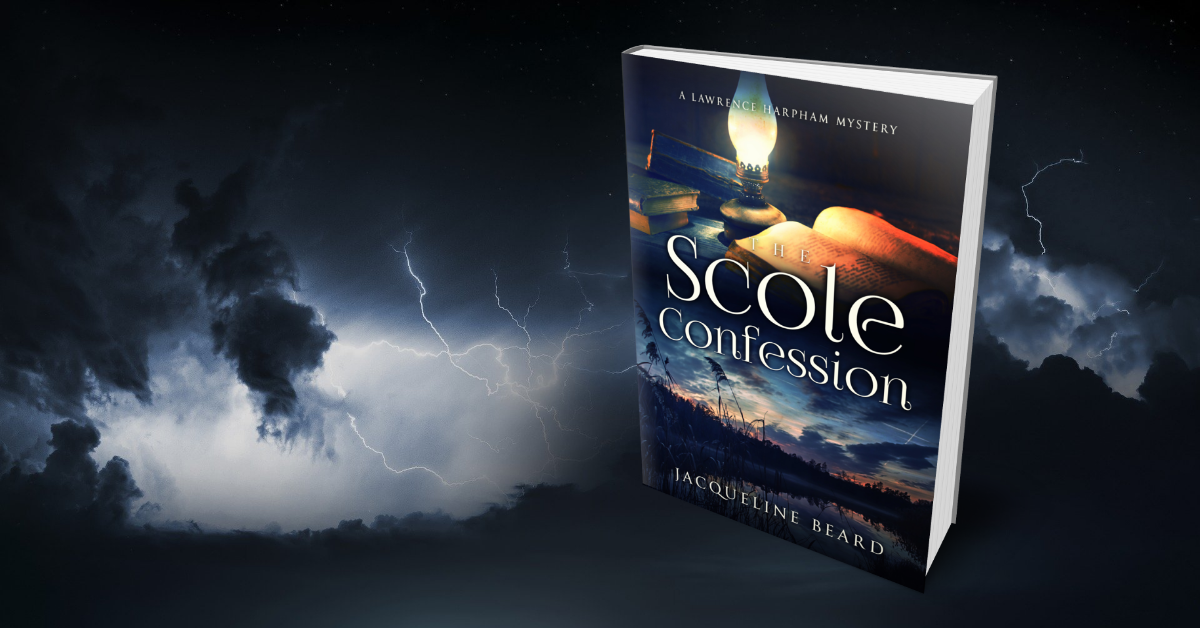
The Scole Confession – New Release

tsc-fb-engagement-ad


Overstrand 1895. Lawrence Harpham and Violet Smith are witnesses to suicide while on holiday. Beneath the body, lies a bible belonging to a murdered man.

Clues lead to the violent death of a bookseller and a chilling confession from the past. From Norfolk to Liverpool, investigations point to the unsolved murder of Fanny Nunn in the town of Diss. But how are the murders connected? Why do the parish registers contain so many unnatural deaths?

As Lawrence and Violet close in on the killer, Lawrence discovers a long-kept secret about his wife’s death. Can he overcome his demons, and will they stop the murders before more lives are lost?

CLICK HERE TO ORDER ON AMAZON KINDLE

CLICK HERE TO ORDER A PAPERBACK FROM LULU PUBLISHING


The Montpellier Mystery

In December, I finally got around to writing a short story set in Cheltenham. It’s something I’ve intended to do for years as it’s local to me and features occasionally in the other Lawrence Harpham Mysteries. As usual, The Montpellier Mystery involves actual events and real people. Less commonly, it is a short story (57 pages), so a quick read to curl up with during these dark winter evenings.

The Montpellier Mystery tells the story of Herbert Hillen who died from carbolic acid poisoning at his home in Rotunda Terrace in 1884. It was not clear how he came to take the poison, a problem further compounded when his doctor incorrectly gave the cause of death as long-continued consumption.

This story merges seamlessly with another mysterious death in Cheltenham General Hospital in 1893 when four men fell violently ill. All four had eaten biscuits brought into the ward against hospital policy by Caroline Puddicumbe. When one young man died, the case was referred to the Public Analyst and then to the Coroner.

Neither of these cases came to a satisfactory resolution and were therefore perfect for Lawrence and Violet to investigate in their fictional world. Needless to say, they came to a firmer conclusion than both original inquests.

The Montpellier Mystery is available on Amazon Kindle (Free on Kindle Unlimited) by following this link – The Montpellier Mystery  


Coming soon … The Scole Confession – Lawrence Harpham Mysteries Book 3